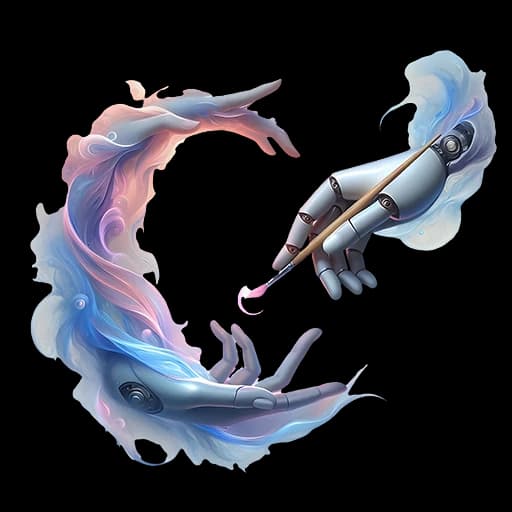
Stuck? Here's How to Beat Creative Block (Without Losing Your Mind)

Coartist Team
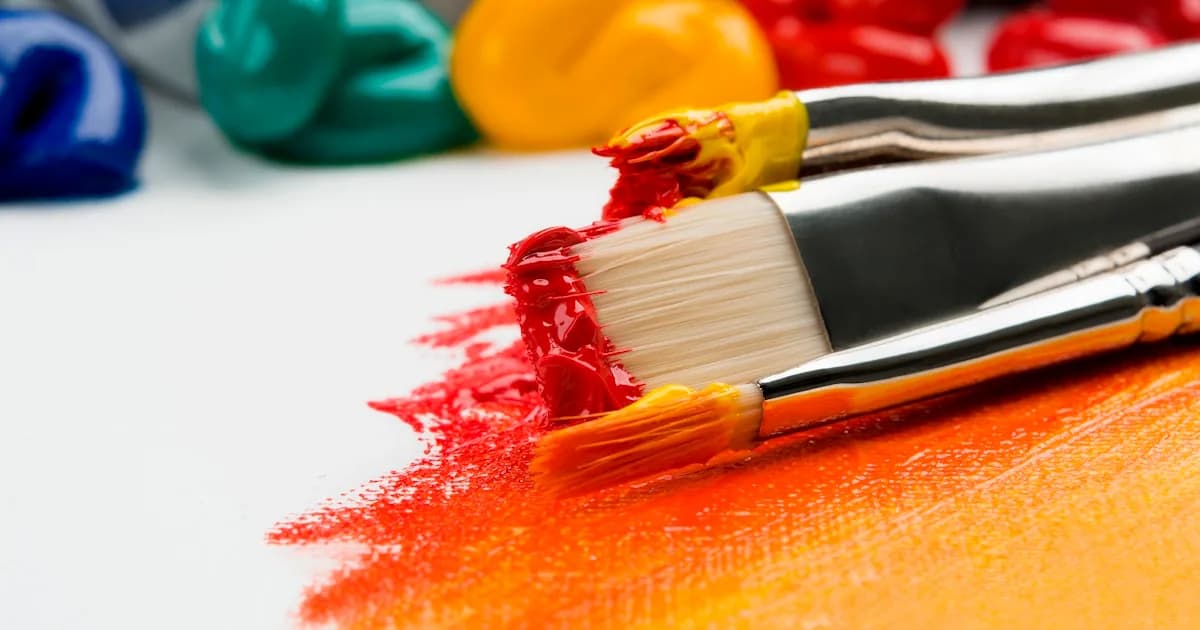
Stuck? Here's How to Beat Creative Block (Without Losing Your Mind)
So you're staring at a blank canvas. Or maybe a half-finished piece that's been haunting you for weeks. Your stylus hovers. Nothing happens.
Welcome to the club, friend.
Here's something nobody tells you when you start making art: creative block isn't a bug in your system. It's a feature. Every single artist—from the hobbyist sketching on weekends to concept artists at Pixar—hits this wall. The difference? Some know how to climb over it, and some keep banging their head against it.
Let's talk about climbing.
Wait, What Even IS Creative Block?
Before we fix it, let's name it properly. Creative block isn't just "not feeling inspired." That's too vague, honestly. It's more like... you know that feeling when you open your fridge, stare at everything inside, and somehow nothing looks appealing even though you're hungry? That's creative block.
Your brain wants to create. You might even have ideas floating around up there. But the connection between "wanting to make something" and "actually making something" gets... stuck.
And here's where it gets tricky. Creative block shows up wearing different masks:
The Perfectionist Paralysis — You won't start because you know it won't be good enough. (Spoiler: it's never good enough. That's kind of the point.)
The Comparison Trap — You scrolled through ArtStation or Instagram, saw incredible work, and now your own stuff feels pointless. Why bother?
The Burnout Block — You've been grinding so hard that your creative well ran dry. No water left to draw from.
The Direction Dilemma — You have seventeen different ideas and can't commit to any of them. So you commit to none.
The Fear Block — What if you make something and people hate it? What if YOU hate it? Safer to just... not.
Recognizing which flavor you're dealing with? That's actually half the battle won.
The Uncomfortable Truth About Waiting for Inspiration
Can I be honest with you for a second?
Waiting for inspiration to strike is like waiting for the bus at a stop where no buses run. You might stand there forever. Inspiration doesn't knock on your door—it shows up while you're already working. Weird, right?
There's actual brain science behind this. When you start creating—even badly—your brain shifts into a different mode. Neural pathways light up. One idea leads to another. The muse shows up because you're already at the party, not because you sent her an invitation.
Chuck Close (you know, the artist famous for those massive photorealistic portraits) said something that stuck with me: "Inspiration is for amateurs. The rest of us just show up and get to work."
Sounds harsh. But there's freedom in it, actually. You don't need to wait for some magical feeling. You just need to start moving.
Okay, But HOW? Actual Strategies That Work
Let's get practical. No fluffy advice here—just things you can try today.
Lower the Stakes (Way, Way Down)
Your next piece doesn't have to be a masterpiece. In fact, it probably won't be. And that's perfectly fine.
Try this: give yourself permission to make garbage. Literal garbage. Tell yourself, "I'm going to spend 20 minutes making the worst drawing I possibly can." Something funny happens when you do this. The pressure evaporates. And weirdly, the "garbage" often turns into something interesting.
The sketchbook isn't precious. The canvas isn't sacred. They're just surfaces. Make bad art on them. Make weird art. Make art that nobody will ever see.
The Five-Minute Trick
Here's something psychologists call "activation energy." Starting a task takes way more mental effort than continuing one. So trick your brain.
Commit to just five minutes. Set a timer. Five minutes of drawing, painting, whatever. That's it. You're allowed to stop after five minutes if you want.
But here's what usually happens: you don't want to stop. The hardest part—starting—is behind you. Momentum takes over.
I've lost entire afternoons to this trick. Five minutes turned into five hours because once I started, stopping felt harder than continuing.
Change Your Inputs
You can't pour from an empty cup—yeah, I know, it's a cliché, but clichés get that way for a reason.
If you've been consuming the same content, following the same artists, working in the same style, your creative inputs are stale. Your brain needs new material to remix.
So shake it up:
- Visit a museum (or virtual museum tour—Google Arts & Culture is genuinely amazing)
- Read fiction outside your usual genres
- Listen to music you'd normally skip
- Watch films from different cultures or eras
- Go for a walk somewhere new and really look at things
That last one sounds too simple, but honestly? Walking and observing—without your phone, without podcasts—is underrated. Your brain processes stuff in the background. Artists have known this for centuries.
Work on Something Different
Sometimes the block is specific to one project. Your brain is stuck on THAT piece, not on creating in general.
So pivot. Start something completely different. A quick study. A fan art piece of a character you love. Something in a medium you don't usually use.
This isn't procrastination—it's strategic redirection. Often, working on Side Project B gives your brain space to solve problems on Main Project A without you consciously trying.
Constraints Are Your Friends
Here's a counterintuitive one: more freedom can mean more paralysis. When you can do anything, choosing becomes impossible.
Give yourself ridiculous constraints:
- Only use three colors
- Finish in under 30 minutes
- Draw with your non-dominant hand
- Create something inspired by a random word generator
- Redraw an old piece but in a completely different style
Constraints force creativity because they eliminate most choices. Your brain stops asking "what should I do?" and starts asking "how can I do THIS?" That's a much easier question.
The Prompt Method
Sometimes you just need a starting point. Any starting point.
Art prompt generators exist for exactly this reason. Sites like ArtPrompts, or even just random word generators, can give you something to respond to instead of staring at blankness.
Or try this: open any book to a random page, point at a sentence without looking, and make something inspired by whatever you hit. It sounds silly. It works anyway.
What About When It's Actually Burnout?
Okay, different situation. Maybe you're not stuck—you're exhausted.
If you've been creating constantly, grinding for commissions, posting daily for the algorithm, trying to build a following while working a day job... burnout is real. And no five-minute trick fixes burnout.
For burnout, you might actually need rest. Actual rest. Not "rest while feeling guilty about not creating" but genuine, permission-granted rest.
A few days away from your tablet. A week without posting. Time doing things that fill you up without demanding output.
This feels scary if you've built habits around constant creation. The algorithm will forget you! Your skills will atrophy!
Nope. Your skills don't disappear in a week. And your mental health matters more than your posting schedule. Trust me on this.
The Comparison Problem (We Need to Talk About This)
Social media is a highlight reel. You know this intellectually. But emotionally? Scrolling through polished, perfect pieces still hurts sometimes.
Here's what helps me: remembering that you're comparing your behind-the-scenes to everyone else's greatest hits. That stunning character painting took someone 40 hours and they posted it without showing the ugly middle stages. That "quick sketch" from your favorite artist represents decades of practice.
Some practical things:
- Curate your feed ruthlessly. Unfollow accounts that make you feel bad about your work, even if they're talented.
- Follow artists slightly ahead of you, not just the untouchable masters. Growth feels more possible when you can see the path.
- Limit your scrolling. Set actual time limits if you need to.
And maybe the most helpful reframe: other artists' success doesn't diminish yours. Art isn't a zero-sum game. There's room for everyone. Someone else being great doesn't make you less great.
Using AI Feedback When You're Stuck
Here's something I've noticed: sometimes creative block comes from uncertainty. You don't know if what you're making is any good, so you hesitate to continue.
This is where tools like Coartist can genuinely help. Getting objective feedback—especially when you're stuck—removes some of the guesswork. Instead of wondering "is my composition working?" you can know. Instead of vaguely feeling like something's off, you can identify what's actually wrong.
That clarity cuts through the fog. You're not just creating into a void anymore. You have specific things to work on, specific problems to solve. Problems are easier to tackle than vague creative malaise.
It's not about letting AI tell you what to make. It's about having a second opinion when your own judgment feels unreliable.
When to Push Through vs. When to Walk Away
Not all creative block is the same, and neither is the solution.
Push through when:
- You're procrastinating due to perfectionism
- You haven't actually started (just start, even badly)
- The block is fear-based
- You've been resting plenty and just need momentum
Walk away when:
- You're genuinely burned out
- The project itself is the problem (maybe it's not working and you need distance to see why)
- Your physical health is suffering (sleep matters, eat food, go outside)
- Forcing it is making you hate art
There's no shame in walking away temporarily. Sometimes the most productive thing you can do is close the file and come back tomorrow.
Building Resilience Over Time
Here's the long game: creative block becomes less scary the more times you overcome it.
Every time you push through, you build evidence that you CAN push through. That evidence becomes confidence. And confidence—not inspiration, not motivation—is what actually sustains a creative practice.
So keep track of your wins. Finished a piece? Note it. Broke through a block? Acknowledge it. Made something you're proud of? Save it somewhere you can revisit.
When the next block hits (and it will), you'll have proof that you've survived before. That matters more than any specific technique.
The Real Secret (If There Is One)
Look, I've thrown a lot at you. Strategies, techniques, mindset shifts. But if I had to boil it all down?
Just start. Start badly. Start scared. Start without knowing where you're going.
The blank canvas is the hardest part. The blinking cursor is the enemy. Five minutes of terrible creation beats five hours of productive anxiety.
Your art matters. Your practice matters. The block is temporary—even when it doesn't feel like it.
Now close this tab and go make something. It doesn't have to be good. It just has to exist.
Struggling to see what's working and what isn't in your art? Upload your work to Coartist and get clear, actionable feedback that can help you push through the uncertainty. Sometimes knowing what to fix is all you need to keep moving.
Coartist Team
The Coartist Team is dedicated to helping artists improve their craft through AI-powered feedback.
Related Articles
Why You Can't Decide What to Draw (And the Fix That Actually Works)
You opened a new canvas 20 minutes ago. You've got nothing. Not because you don't have ideas — you actually have too many. Here's what's really happening and how to fix it.
Read article
Finding Your Art Style: The Honest Guide (It's Not What You Think)
Everyone wants to find their style. Nobody wants to hear that it's already forming whether you notice or not — and the best thing you can do is get out of its way.
Instagram Made You a Better Follower, Not a Better Artist. Here's the Difference.
Every piece you've held back from posting because it wasn't good enough? That piece probably taught you more than the polished one you did post.
Read article